Diaryบันทึก日记
Day 1: What does writing do to me
Grammar only. The title is unchanged.แก้แต่ไวยากรณ์ ชื่อเรื่องคงเดิม只改语法。标题不动。
Writing, first of all, is something one can only do alone. You can get someone to help you with proofreading, editing, and revising what you have written. But when you write, you write it alone. No original idea worth spreading, reciting, and thinking about, can come from other people telling you what to write. You have to do it alone.
In the past few years, I have spent more time writing than doing anything else, partly because writing is part of my job for which I get paid, but it is also the way of life, with which over the years, I have developed and familiarized myself. I sometimes tell my close friends and students that I have learned how “not to hate” writing over the years. It’s tiring, boring, etc., let alone those writer’s blocks that you’d sometimes get simply because you don’t know what to write! Writing is essential to people like me, who write to learn. When I write, I think much more carefully because there is an observable yet often overlooked gap between the time when I get the idea “in the moment” of what I want to write (i.e., the time when something comes up in my head) and the “moment my fingers start to realize” and function, process the information, and eventually put it together, usually, first, in a series of alphabets into words morphing eventually into sentences.
Writing to learn is also writing to communicate. A wise man once said, “it’s not a great idea if it’s not worth spreading.” I couldn’t agree more: writing, by and large, is about helping and sharing with others, and also the joy of learning — otherwise what’s the point of writing something in a language that others can also read?
I also write for myself. Writing Degree Zero is the title of the semioticist/poststructuralist thinker Roland Barthes’ work in which he, basically, writes about the possibility that one could write for the sake of writing; in other words, writing as an end in itself. I never understood what Barthes was getting at in that book, but I did sense, when I read it, that, perhaps, the message that he wanted to convey may have to do with the idea of “just writing,” without the conscious sense that one is writing for a particular reader. Why? To put it simply, by thinking that there’ll be someone reading your work, you are automatically doing injustice to the ideas that are flourishing inside of your head by consciously (and sometimes unconsciously) censoring them because you have an anxiety toward the reception of your audience. In the same way that fieldnotes may have done for ethnographers who use their notes to record what they have learned each day from the field, I write because I think of writing as a friend who always spares me his profound silent words. This friend whom I call writing is always helpful in being a prolonger, a mediator — and a mediator — of an act of immature thinking, which I often arrive at without his kind and critical help. This friend of mine, writing, helps me think twice before making any conclusion, without doing justice to the data received through my unfortunate and imperfect cognition.
Original Title: A prelude to my 100 Days of Writing blog.
September 14, 2015
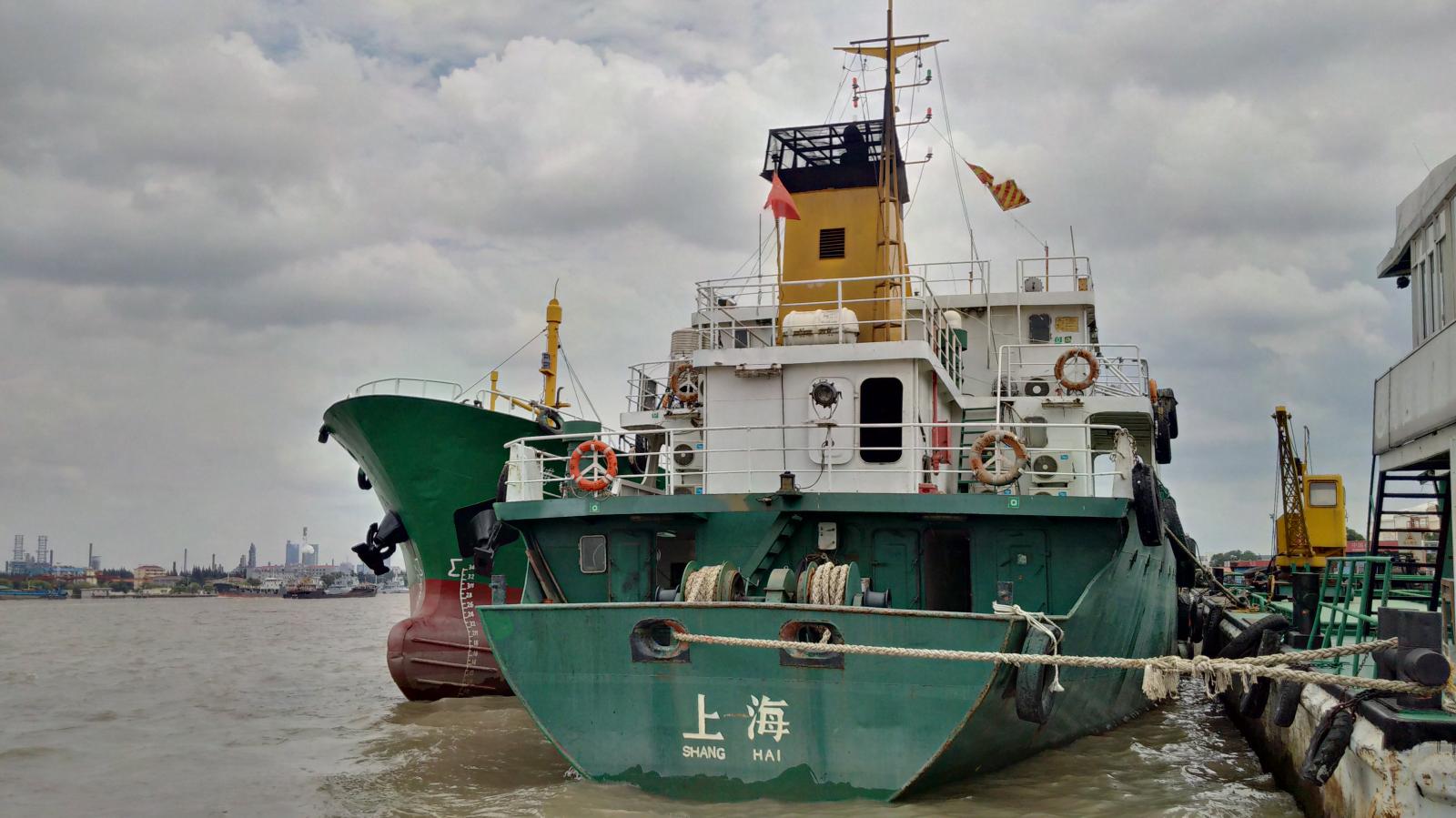
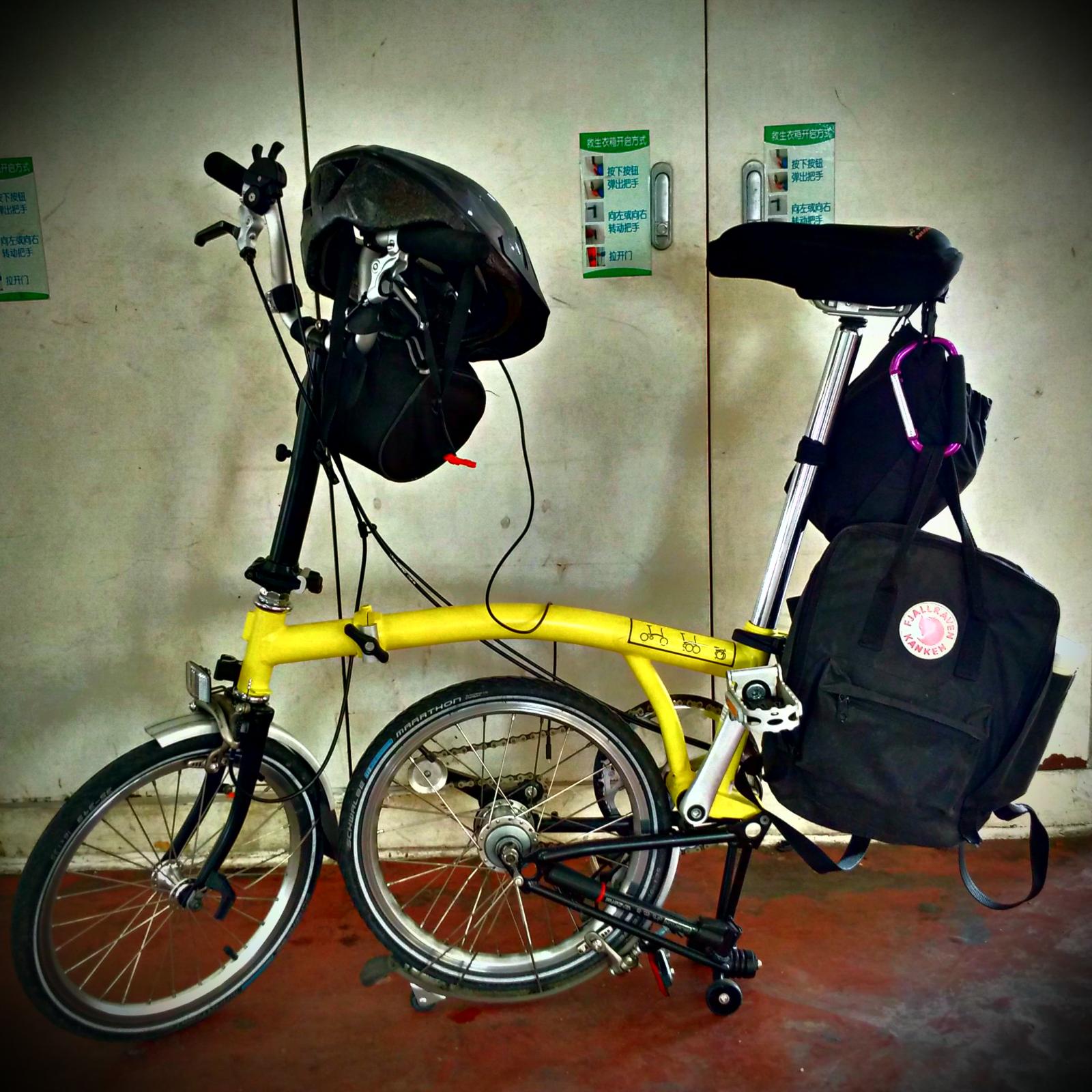
Photo: Somewhere at the bank of Huangpu River on the Puxi side on my bike. This particular act of writing took place, and was performed there.
การเขียน ก่อนอื่น เป็นสิ่งที่คนเราทำได้เพียงลำพัง คุณอาจให้ใครสักคนช่วยพิสูจน์อักษร แก้ไข และทบทวนสิ่งที่คุณเขียน แต่เมื่อคุณเขียน คุณเขียนมันคนเดียว ไม่มีความคิดริเริ่มที่ควรค่าแก่การเผยแพร่ การท่อง และการคิด ซึ่งจะมาจากการที่คนอื่นบอกคุณว่าควรเขียนอะไร คุณต้องทำมันคนเดียว
ในไม่กี่ปีที่ผ่านมา ผมใช้เวลาเขียนมากกว่าทำสิ่งอื่นใด ส่วนหนึ่งเพราะการเขียนเป็นส่วนของงานที่ผมได้รับค่าจ้าง แต่มันก็เป็นวิถีชีวิตที่ตลอดหลายปีผมได้พัฒนาและทำให้ตนเองคุ้นเคย บางครั้งผมบอกเพื่อนสนิทและนักศึกษาว่า ผมเรียนรู้วิธี “ไม่เกลียด” การเขียนมาตลอดหลายปี มันเหนื่อย มันน่าเบื่อ ฯลฯ ไม่ต้องพูดถึงภาวะนักเขียนติดขัดเหล่านั้นที่คุณมักเจอเพียงเพราะไม่รู้จะเขียนอะไร การเขียนจำเป็นต่อคนอย่างผม ผู้เขียนเพื่อเรียนรู้ เมื่อผมเขียน ผมคิดอย่างระมัดระวังมากขึ้น เพราะมีช่องว่างที่สังเกตได้แต่บ่อยครั้งถูกละเลย ระหว่างเวลาที่ผมได้ความคิด “ในขณะนั้น” ของสิ่งที่อยากเขียน (คือเวลาที่บางอย่างผุดขึ้นในหัว) กับ “ขณะที่นิ้วเริ่มรู้ตัว” แล้วทำงาน ประมวลข้อมูล และในที่สุดประกอบเข้าด้วยกัน โดยปกติเริ่มจากชุดตัวอักษรเป็นคำ แล้วค่อยกลายเป็นประโยค
การเขียนเพื่อเรียนรู้ก็คือการเขียนเพื่อสื่อสาร มีผู้รู้เคยกล่าวว่า “มันไม่ใช่ความคิดที่ยิ่งใหญ่ ถ้ามันไม่ควรค่าแก่การเผยแพร่” ผมเห็นด้วยอย่างยิ่ง โดยรวมแล้ว การเขียนคือการช่วยเหลือและแบ่งปันกับผู้อื่น และยังเป็นความยินดีของการเรียนรู้ — มิฉะนั้น การเขียนบางสิ่งเป็นภาษาที่คนอื่นก็อ่านได้จะมีประโยชน์อะไร
ผมเขียนเพื่อตัวเองด้วย Writing Degree Zero คือชื่อผลงานของนักสัญศาสตร์และนักคิดหลังโครงสร้างนิยม โรลันด์ บาร์ต ซึ่งโดยพื้นฐานเขาเขียนถึงความเป็นไปได้ที่คนเราจะเขียนเพื่อการเขียนเอง กล่าวอีกอย่างคือ การเขียนเป็นจุดหมายในตัวมันเอง ผมไม่เคยเข้าใจว่าบาร์ตต้องการจะไปให้ถึงอะไรในหนังสือเล่มนั้น แต่ตอนอ่าน ผมสัมผัสได้ว่าบางทีสารที่เขาอยากส่งอาจเกี่ยวกับความคิดเรื่อง “แค่เขียน” โดยไม่มีความรู้สึกตัวว่ากำลังเขียนให้ผู้อ่านคนหนึ่งโดยเฉพาะ ทำไม? พูดง่ายๆ คือ เมื่อคิดว่าจะมีคนอ่านงานของคุณ คุณกำลังทำไม่ยุติธรรมต่อความคิดที่กำลังผลิบานในหัว โดยจงใจ (และบางครั้งไม่จงใจ) ตรวจตัดความคิดเหล่านั้น เพราะคุณกังวลว่าผู้อ่านจะรับมันอย่างไร ในทำนองเดียวกับที่บันทึกภาคสนามอาจเป็นประโยชน์ต่อนักชาติพันธุ์วรรณนาที่ใช้บันทึกจดสิ่งที่เรียนรู้ในแต่ละวันจากสนาม ผมเขียนเพราะคิดว่าการเขียนเป็นเพื่อนที่เสมอสงวนถ้อยคำอันเงียบและลึกไว้ให้ผม เพื่อนที่ผมเรียกว่าการเขียนนี้ช่วยได้เสมอ ในฐานะผู้ยืดเวลา เป็นผู้ไกล่เกลี่ย — และผู้ไกล่เกลี่ย — ของการคิดที่ยังไม่สุก ซึ่งผมมักไปถึงโดยปราศจากความช่วยเหลือที่เมตตาและวิพากษ์ของเขา เพื่อนคนนี้ของผม การเขียน ช่วยให้ผมคิดสองครั้งก่อนลงข้อสรุปใด โดยไม่ให้ความเป็นธรรมแก่ข้อมูลที่รับมาผ่านการรับรู้ที่โชคร้ายและไม่สมบูรณ์ของผม
ชื่อเดิม: บทนำสู่บล็อก 100 วันแห่งการเขียนของผม
14 กันยายน 2015
ภาพ: ที่ไหนสักแห่งบนฝั่งแม่น้ำหวงผู่ ฝั่งผู่ซี บนจักรยานของผม การเขียนครั้งนี้เกิดขึ้น และถูกกระทำ ณ ที่นั่น
写作,首先,是一件人只能独自去做的事。你可以找人帮你校对、编辑、修改已经写下的东西。但当你写的时候,你是一个人在写。值得传播、值得诵读、值得思索的原创想法,不会来自别人告诉你该写什么。你得自己来。
过去几年里,我花在写作上的时间多过其他任何事,一部分是因为写作是我受薪的工作,但它也是一种生活方式,这些年我慢慢养成,也渐渐熟悉。我有时告诉密友和学生,这些年我学会了如何“不憎恨”写作。它累,它无聊,等等,更不必说那些仅仅因为不知道写什么就会碰上的写作障碍。写作对像我这样的人是必要的:我写,是为了学习。我写作时想得仔细得多,因为有一道看得见、却常被忽略的缝隙:从我“当下”得到想写的念头(也就是某件事涌进脑子的那一刻),到“手指开始明白”并运转、处理信息、最后把它拼起来——通常先是一串字母变成词,再慢慢变成句子。
为学习而写,也是为交流而写。一位智者说过:“一个想法若不值得传播,便算不得好想法。”我完全同意。大体上,写作是在帮助别人、与别人分享,也是学习的喜悦——否则,用一种别人也能读的语言写下某件事,又有什么意义?
我也为自己而写。Writing Degree Zero(《写作的零度》)是符号学家、后结构主义思想者罗兰·巴特的著作。他在书里基本上写的是:人可以纯粹为了写作而写作;换句话说,写作本身就是目的。我从未弄懂巴特在那本书里究竟要说什么,但读的时候我感到,他想传递的也许是“只是去写”,而不自觉地认定自己在为某一位读者而写。为什么?简单说,一旦想到会有人读你的东西,你就自动亏待了那些正在头脑里盛开的想法,你会有意识地(有时是无意识地)审查它们,因为你焦虑读者会如何接受。正如田野笔记之于民族志学者——他们用笔记记下每天从田野里学到的东西——我写作,是因为我把写作当作一位朋友,他总把他深刻而沉默的词语留给我。这位我称之为写作的朋友,始终是一种帮助:他是拖延者,是调解人——也是调解人——调解我那些不成熟的想法。没有他善意而严格的帮助,我常常就停在那里。我的这位朋友,写作,让我在作任何结论之前再想一次,而不亏待那些经由我不幸且不完美的认知所接收到的材料。
原题:我的“写作一百日”博客的一篇序。
2015年9月14日
照片:浦西一侧黄浦江岸的某处,我在自行车上。这一次写作就在那里发生,在那里完成。
Unedited original.ต้นฉบับที่ไม่ได้แก้未经修改的原文。
Writing, first of all, is something one can only do it alone. You can get someone to help you with proof reading, editing, and revising what you have written. But when you write, you write it alone. No original idea worth spreading, reciting, and thinking about, can come from other people telling you what to write. You have to do it alone.
In the past few years , I have spent more time writing than doing anything else party because writing is part of my job for which I get paid, but it is also the way of life, with which over the years, I have developed and familiarized myself. I sometimes tell my close friends and students, I have learned how “not to hate” writing over the years. It’s tiring, boring, etc., let alone those writer’s block that you’d sometimes get simply because you don’t know what to write! Writing is essential to people like me, who write to learn. When I write I think much more carefully because there is an observable yet often overlooked gap between the time when I get the idea “in the moment” of what I want to write (i.e., the time when something comes up in my head) and the “moment my fingers start to realize” and function, process the information, and eventually put it together, usually, first, in a series of alphabets into words morphing eventually into sentences.
Writing to learn is also writing to communicate. A wise man once said, “it’s not a great idea if it’s not worth spreading.” I couldn’t agree more: writing, by and large, is about helping and sharing with others, also, the joy of learning — otherwise what’s the point of writing something in a language that others can also read?
I also write for myself. Writing Degree Zero is the title of the semioticist/poststructuralist thinker Roland Barthes’ work in which he, basically, writes about the possibility that one could write for the sake of writing; in other words, writing as an end in itself. I never understood what Barthes was getting at in that book, but I did sense, when I read it, that, perhaps, the message that he wanted to convey may have to do with the idea of “just writing,” without the conscious sense that one is writing for a particular reader. Why? To put it simply, by thinking that there’ll be someone reading your work, you are automatically doing injustice to the ideas that are flourishing inside of your head by consciously (and sometimes unconsciously) censor them because you have an anxiety toward the reception of your audience. In the same way that fieldnotes may have done for ethnographers who use their notes to record what they have learned each day from the field, I write because I think of writing as a friend who always spare me his profound silent words. This friend whom I call writing is always helpful in being a prolounger, a mediator — and a mediator — of an act of immature thinking, which I often arrive at without his kind and critical help. This friend of mine, writing, helps me think twice before making any conclusion, without doing the justice to the data received through my unfortunate and imperfect cognition.
Original Title: A prelude to the my 100 Days of Writing blog.
September 14, 2015
Photo: Somewhere at the bank of Huangpu River on the Puxi side on my bike. This particular act of writing took place, and was performed there.